Personal trainer apps promise the same results as a human trainer at 1/10th the cost.
Is it true? Sometimes.
Here’s the honest comparison.
Cost Comparison
Let’s start with money:
Real Personal Trainer
- Average cost: $50-100 per session
- Sessions needed: 2-3 per week minimum
- Monthly cost: $400-$1,200
- Yearly cost: $4,800-$14,400
Personal Trainer App
- Average cost: $0-100 per year
- Sessions: Unlimited
- Monthly cost: $0-10
- Yearly cost: $0-120
The math is clear. Apps are 50-100x cheaper.
But cheaper doesn’t always mean better.
What Real Trainers Provide
1. Form Correction
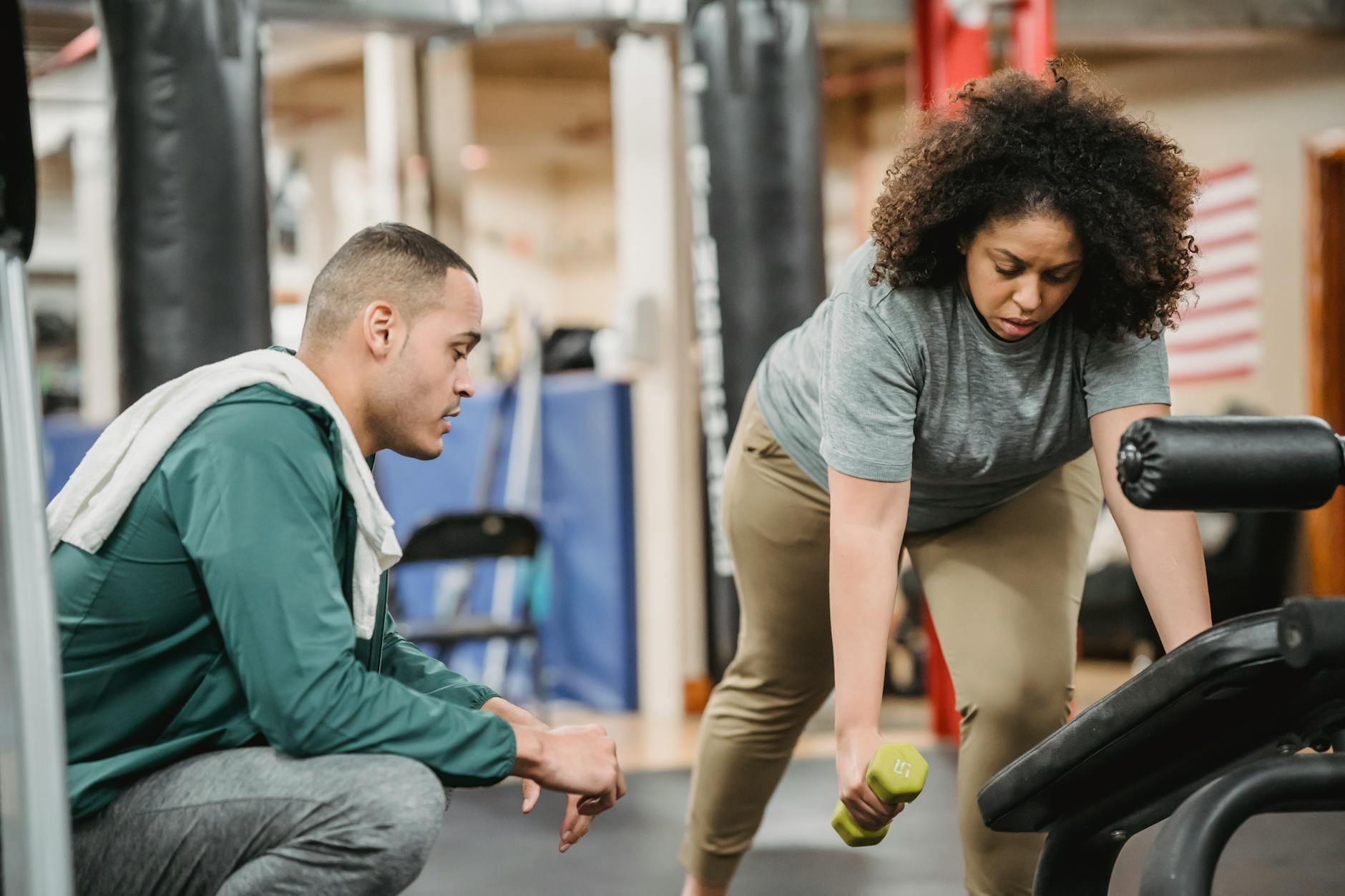
A trainer watches you lift and fixes your form in real-time. Bad form = injuries + wasted effort.
Apps can’t do this. (Yet.)
2. Accountability
You’re paying $100. You showed up at 6am because someone’s waiting. You don’t skip.
Apps send notifications. Easy to ignore.
3. Customization
Trainers adapt on the fly. Bad knee today? Exercise swap immediately.
Apps follow programming. Some adapt, but not in real-time.
4. Motivation
A good trainer pushes you harder than you’d push yourself. They know when you have more in the tank.
Apps can’t see that you’re sandbagging.
5. Programming Expertise
Good trainers have years of education and experience. They understand periodization, injury prevention, progression.
Apps vary wildly in programming quality.
What Apps Provide
1. Always Available
3am on a Sunday? App is there. No scheduling.
2. No Judgment
Self-conscious at the gym? App doesn’t care what you look like.
3. Data Tracking
Apps remember every workout perfectly. Trainers might forget what you did 3 weeks ago.
4. Cost Accessibility
Can’t afford $800/month? Apps make fitness programming accessible.
5. Self-Pacing
Go at your own speed. No pressure to perform for someone watching.
Who Should Hire a Real Trainer
✅ Hire a trainer if:
You’re a complete beginner Learning basic movement patterns (squat, deadlift, press) with good form is crucial. Bad habits formed early are hard to break.
You have injuries or limitations Trainers can work around injuries safely. Apps don’t know about your bad shoulder.
You need accountability If you won’t show up unless someone’s expecting you, pay for that accountability.
You can afford it If $800/month doesn’t hurt, the benefits are real.
You’re training for something specific Competition prep, sport-specific training, post-rehab — get expert guidance.
Who Should Use an App
✅ Use an app if:
Budget is tight $100/year beats $10,000/year. Apps democratize fitness programming.
You know basic form If you can squat, deadlift, and press safely, you don’t need someone watching.
You’re self-motivated If you show up regardless, you don’t need accountability payments.
You want flexibility Travel often? Irregular schedule? Apps adapt. Trainers don’t.
You’ve trained before You know your body, what works, what hurts. You just need programming.
The Hybrid Approach
Best of both worlds:
- Hire a trainer for 4-8 sessions — Learn proper form, get a program
- Switch to an app — Follow programming independently
- Check in with trainer occasionally — Form check, program adjustment
Cost: ~$400-800 + $50-100/year
Effectiveness: Very high
The Best Personal Trainer Apps
GymCoachAI (Free)
AI creates and adapts your program. Closest to having a trainer’s programming.
Fitbod ($80/year)
Creates workouts based on your equipment and recovery. Well-designed.
Dr. Muscle ($100/year)
Science-based programming. Great for intermediate+ lifters.
Hevy (Free)
Tracker first, but includes workout templates.
What Apps Can’t Replace
Be honest about what you actually need:
| Need | Trainer? | App? |
|---|---|---|
| Learning form | ✅ Essential | ❌ Can’t help |
| Programming | Helpful | ✅ Can do |
| Motivation | ✅ Significant | Limited |
| Tracking | Some | ✅ Better |
| Accountability | ✅ High | Low |
| Flexibility | ❌ Limited | ✅ High |
| Cost | ❌ Expensive | ✅ Cheap |
| Customization | ✅ Real-time | Delayed |
The Honest Truth
Most people don’t need a personal trainer.
What they need:
- A beginner program (free online)
- Basic form knowledge (YouTube, or a few trainer sessions)
- Consistency
- Progressive overload tracking (app)
What they’re buying:
- Accountability they could build other ways
- Programming they could get cheaper
Some people genuinely need trainers:
- Complete beginners (4-8 sessions minimum)
- People with injuries/conditions
- Athletes with specific goals
- People who can afford it and value the experience
The app sweet spot: Intermediate lifters who know form, are self-motivated, want structure without the cost.
FAQ
Can apps teach me proper form? Not really. Videos help, but nothing replaces in-person feedback. Get a few trainer sessions first.
Are expensive apps better than free ones? Not necessarily. GymCoachAI is free and matches or beats paid options. Test before paying.
How often should I see a trainer if I’m using an app? Once a month for form checks is plenty if you know the basics.
Will I get worse results with an app? If you show up and follow the program, results are comparable. Consistency matters more than which tool you use.
What about online coaching? Middle ground: $100-300/month for remote programming and check-ins. Worth considering.
Related reads:
- AI Workout Apps That Build Muscle — app reviews
- Best Gym Tracker Apps (Free) — tracking options
- Why Your Gym Results Suck — common mistakes
— Dolce
Comments
Comments powered by Giscus. Sign in with GitHub to comment.